Zeta Books
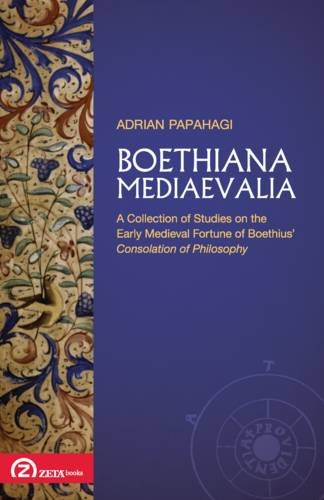
Boethiana Mediaevalia | Adrian Papahagi
29,00 lei
✔ În stoc la carturesti.ro
Vezi oferta la carturesti.ro
✔ În stoc la carturesti.ro
Vezi oferta la carturesti.roBoethius masterpiece, The Consolation of Philosophy (c. 524) can be counted among the most popular books of the early Middle Ages: it was extensively copied, glossed, commented upon, and translated. But how did the medieval West rediscover it? Where did the text resurface at the end of the eighth century? How did ninth- and tenth-century scholars react to this complicated book, replete with Platonic lore yet devoid of explicit references to Christ? How did translators such as Alfred and Notker cope with the difficult philosophical vocabulary of the text they turned into Old English and Old High German? A few answers are ventured in the present book, whose purpose is to examine the impact of the last great book of late Antiquity upon the Latin and vernacular culture of the ninth and tenth centuries.The reception of Boethius Consolation of Philosophy from its rediscovery around 800 through the ninth and tenth centuries is one of the most fascinating stories of early medieval culture. Adrian Papahagi s studies offer some new theories about the key players in this story, including Alcuin, Theodulf, Notker and Alfred, soundly based in a fresh study of the manuscripts, and challenge some long-held convictions. --MALCOLM R. GODDEN, Bosworth and Rawlinson Professor of Anglo-Saxon, Oxford UniversityAdrian Papahagi has reopened the discussion about the transmission of Boethius Consolatio Philosophiae in the Carolingian age. By examining afresh the manuscripts and available bibliography