Oxford University Press
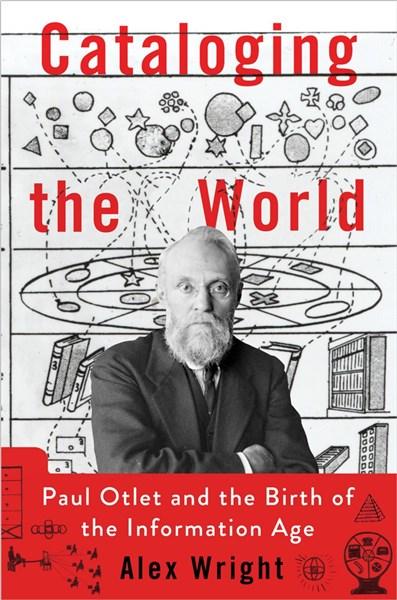
Cataloging the World: Paul Otlet and the Birth of the Information Age | Alexis Wright
95,50 lei
✔ În stoc la carturesti.ro
Vezi oferta la carturesti.ro
✔ În stoc la carturesti.ro
Vezi oferta la carturesti.roThe dream of capturing and organizing knowledge is as old as history. From the archives of ancient Sumeria and the Library of Alexandria to the Library of Congress and Wikipedia, humanity has wrestled with the problem of harnessing its intellectual output. The timeless quest for wisdom has been as much about information storage and retrieval as creative genius. In Cataloging the World, Alex Wright introduces us to a figure who stands out in the long line of thinkers and idealists who devoted themselves to the task. Beginning in the late nineteenth century, Paul Otlet, a librarian by training, worked at expanding the potential of the catalog card, the world's first information chip. From there followed universal libraries and museums, connecting his native Belgium to the world by means of a vast intellectual enterprise that attempted to organize and code everything ever published. Forty years before the first personal computer and fifty years before the first browser, Otlet envisioned a network of 'electric telescopes' that would allow people everywhere to search through books, newspapers, photographs, and recordings, all linked together in what he termed, in 1934, a reseau mondial--essentially, a worldwide web. Otlet's life achievement was the construction of the Mundaneum--a mechanical collective brain that would house and disseminate everything ever committed to paper. Filled with analog machines such as telegraphs and sorters, the Mundaneum--what some have called a 'Steamp